
I write that title with tongue-in-cheek. But, in some cases, corporate leaders act as if employees are inmates and being seen with and talking with them is not good. This idea runs completely counter to the principle and practice of Genchi Genbutsu, which runs counter to a blaming culture.
Other articles in the Genchi Genbutsu Series:
- Genchi Genbutsu: Data versus Facts
- Genchi Genbutsu: Develop Better Judgment
- Genchi Genbutsu: See the Problem Clearly
- Genchi Genbutsu: Develop Empathy
- Genchi Genbutsu: Helps us to Develop Others
We finalized the adoption of our baby girl recently. Our 9th child – yes – I don’t blame you for freaking out. When I was younger, I didn’t think I’d be the father of a almost two basketball teams, but I’m grateful. And, adoption has been a blessing.
corporate leaders act as if employees are inmates and being seen with and talking with them is not good. This idea runs completely counter to the principle and practice of Genchi Genbutsu
Anyway – while at the courhouse, I took this picture, which I find so appropriate for this series of articles on Genchi Genbutsu. As a reminder, below are what I find to be the 4 practical reasons and purpose of the management practice and principle of Genchi Genbutsu (Go and See):
- Genchi Genbutsu develops your judgment: Go and See helps you make better decisions.
- Genchi Genbutsu helps you build agreement and consensus: Go and See helps you form agreement, get people on the same page, and agree on the problem.
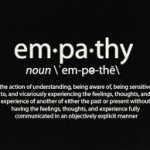
- Genchi Genbutsu helps you develop empathy: Go and See helps you link high-level thinking with on-the-ground implementation; it helps you feel with the people, which then helps you make better decisions and test hypothesis quicker.
- Genchi Genbutsu helps you develop other people: Go and See helps you empower others by stretching them, by teaching them, by helping them with practical application of theory.

Become a Lean Six Sigma professional today!
Start your learning journey with Lean Six Sigma White Belt at NO COST




Leave a Reply