
In general, most conflict is based on different perspectives. In business, this means that people see the problem differently. Because people don’t understand the problem the same way, there are arguments and disagreements on the solution. Have you ever experienced this?
Other articles in the Genchi Genbutsu Series:
- Genchi Genbutsu: Data versus Facts
- Genchi Genbutsu: Develop Better Judgment
- Genchi Genbutsu: See the Problem Clearly
- Genchi Genbutsu: Develop Empathy
- Genchi Genbutsu: Helps us to Develop Others
Genchi Genbutsu counteracts the situation above by the following:
- Genchi Genbutsu helps to gain agreement on the problem; genchi genbutsu helps to get everyone on “the same page”.
Consider this picture below (credit to Stephen Covey):
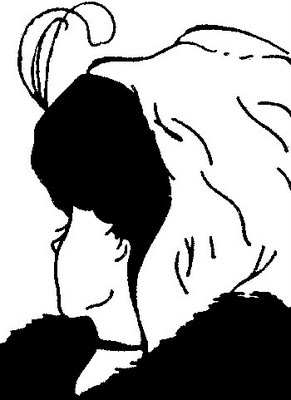
What do you see? A young, beautiful woman? Or, do you see an old woman? Do you see both?
Genchi Genbutsu helps us to understand a phenomena the same way. And, by understanding the problem together, the problem can then be framed properly. With agreement on the problem, there will be less quibbling about the solution(s) or countermeasure(s).
In the next post on this series on Genchi Genbutsu, I’ll cover the aspect of how Genchi Genbutsu can help us develop empathy.
Become a Lean Six Sigma professional today!
Start your learning journey with Lean Six Sigma White Belt at NO COST




Leave a Reply