
When we make decisions, cast judgments, or form an opinion without having observed, talked with, or experienced the situation first hand, it leads to poor decisions. This is why Genchi Genbutsu Go and See is so critical – it helps add clarity where emotion might otherwise cloud it.
Other articles in the Genchi Genbutsu Series:
- Data versus Facts
- Develop Better Judgment
- See the Problem Clearly
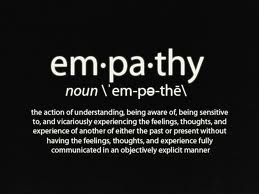
- Develop Empathy
- Helps us to Develop Others
In this article, I’ll discuss the following aspect of Genchi Genbutsu:
- Genchi Genbutsu helps us develop empathy: Go and See helps us link high-level thinking with on-the-ground implementation; it helps us feel with the people, which then helps us make better decisions and test hypothesis quicker.
In business, there’s much discussion about “feedback loops” or “feedforward loops”. The idea is that the faster and quicker feedback is, the better our decisions are. But, most management theorist fail to consider how that feedback is obtained. In their minds, they are usually only talking about data and conclusions.
In Genchi Genbutsu, feedback is obtained through first hand experience. By being at the place where the phenomena is happening AND by being with the people that are dealing with the phenomena, we gain a perspective of what people go through; what they experience. When we “feel with” people, it sharpens our understanding, helps us frame the problem with the right perspective, and arrive at solutions that are more robust and more surgical.
In the next post on Genchi Genbutsu, I’ll address the last aspect of Genchi Genbutsu, which is that Genchi Genbutsu helps us to develop other people.
Become a Lean Six Sigma professional today!
Start your learning journey with Lean Six Sigma White Belt at NO COST




Leave a Reply